what sugar level is diabetic coma Coma diabetic prevent shaky causes hypoglycemia hyperglycemia glucose diabetestalk
As medical professionals, it is crucial that we prioritize the well-being of our patients, particularly those who are elderly and suffer from diabetes. One of the most serious complications of diabetes is hypoglycemia, which occurs when blood sugar levels drop dangerously low. In severe cases, hypoglycemia can lead to diabetic coma, a life-threatening condition that requires emergency medical attention. It is essential for people with diabetes, especially the elderly, to closely monitor their blood sugar levels and take appropriate steps to prevent hypoglycemia. This may involve regularly checking blood sugar levels, adjusting medication dosages, and making dietary changes that reduce the risk of sudden blood sugar drops. However, even with diligent management, hypoglycemia can still occur and lead to diabetic coma. It is essential for caregivers and loved ones of those with diabetes to know the signs and symptoms of hypoglycemia and diabetic coma so that they can take immediate action and seek medical attention if necessary. Some common signs of hypoglycemia include shakiness, sweating, confusion, dizziness, and difficulty concentrating. If left untreated, these symptoms can progress to more severe signs of diabetic coma, such as seizures, loss of consciousness, and even coma itself. To prevent hypoglycemia and diabetic coma, it is important to maintain a balanced and consistent blood sugar level. This may involve eating small meals throughout the day, avoiding high-sugar foods and alcoholic beverages, and regularly taking prescribed diabetes medications as directed. In addition to these preventive measures, it is crucial to have a plan in place in case of an emergency. Family members, caregivers, and medical professionals should all be aware of the individual’s medical history, current medication regimen, and emergency contact information. It may also be helpful to keep a glucagon emergency kit on hand, which can be used to quickly raise blood sugar levels in the event of severe hypoglycemia. At the end of the day, managing diabetes and preventing hypoglycemia and diabetic coma require a multidisciplinary approach. Medical professionals, caregivers, and loved ones must work together to ensure the best possible outcomes for those with diabetes, particularly the elderly who are at increased risk for these serious complications. With proper management and support, individuals with diabetes can lead healthy and fulfilling lives while minimizing the risk of hypoglycemia and diabetic coma. Let us continue to prioritize their well-being and work towards better outcomes for all those affected by diabetes.
If you are searching about Diabetic Coma - low blood sugar levels low blood sugar levels you’ve came to the right web. We have 5 Pictures about Diabetic Coma - low blood sugar levels low blood sugar levels like Pin on Diabetes, Diabetic Coma - low blood sugar levels low blood sugar levels and also Diabetic Coma - low blood sugar levels low blood sugar levels. Read more:
Diabetic Coma - Low Blood Sugar Levels Low Blood Sugar Levels
 lowbloodsugarlevels.comPin On Diabetes
 www.pinterest.comcoma diabetic prevent shaky causes hypoglycemia hyperglycemia glucose diabetestalk
How Low Blood Sugar Until Coma ~ Best Diabetes Management
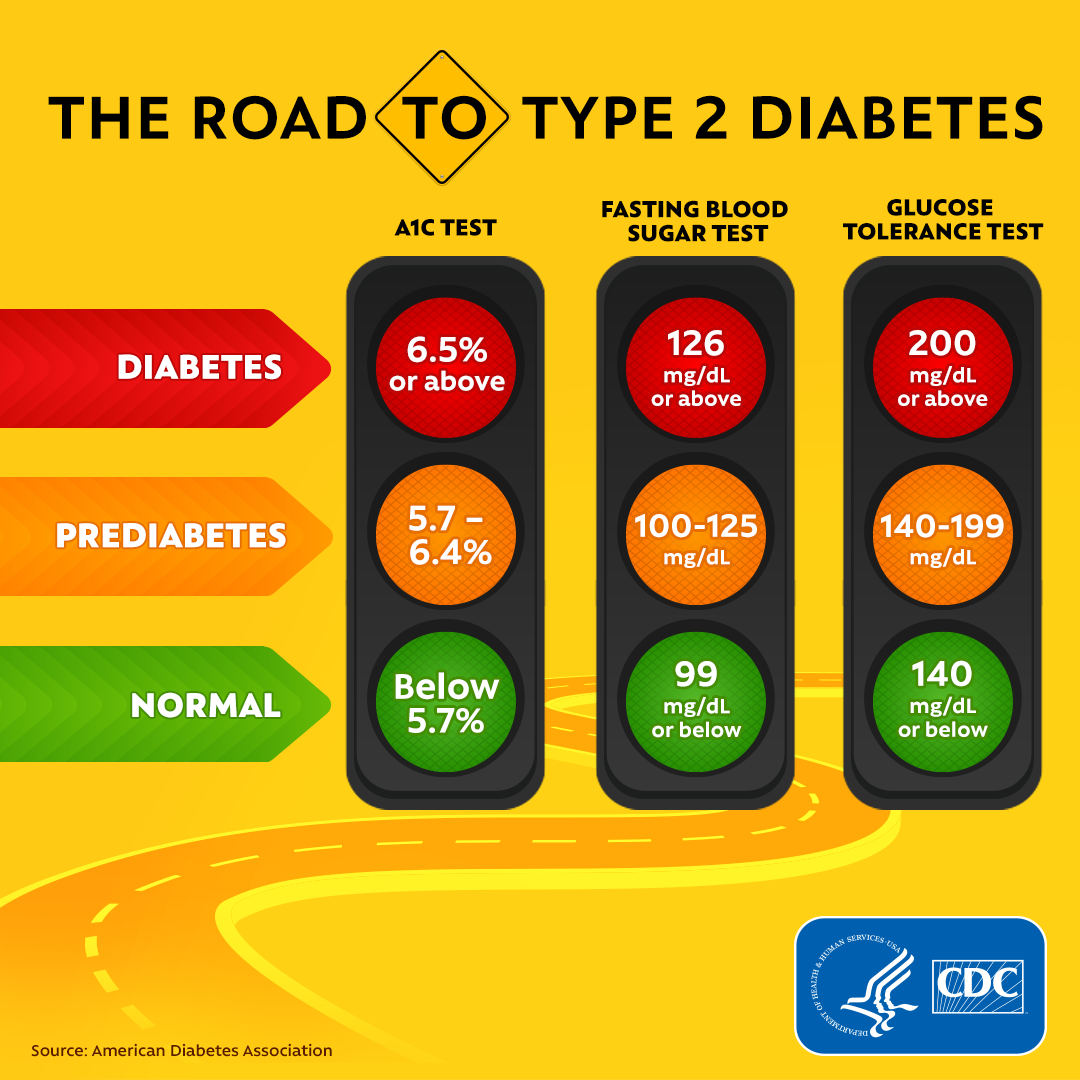 bestdiabetesmanagement.blogspot.coma1c
Blood Sugars Quotes: Blood Sugar Level That Causes Coma
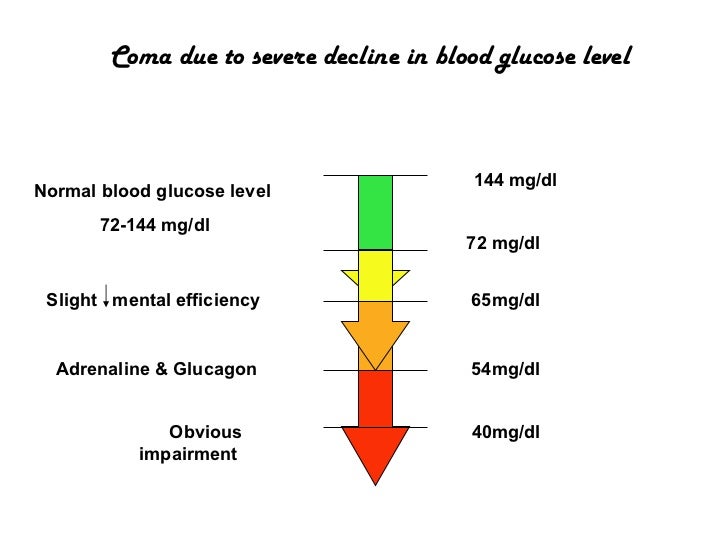 bloodsugarsquotes.blogspot.comcoma causes hypoglycemic diabetic
Diabetic Coma Signs | General Center | SteadyHealth.com
 ic.steadyhealth.comHow low blood sugar until coma ~ best diabetes management. Coma diabetic prevent shaky causes hypoglycemia hyperglycemia glucose diabetestalk. Diabetic coma signs