how to apply buprenorphine patch Patch buprenorphine buccal microneedle transdermal safety
Transdermal Buprenorphine patch & Transdermal to Buccal Buprenorphine Transition Buprenorphine is a powerful analgesic that has been in use for over three decades. Originally developed as a pain management medication, it has since been found to be useful in the treatment of opioid addiction as well. There are several ways that buprenorphine can be administered to patients, and two of the most common are via the transdermal patch and the buccal route of administration. In this article, we will discuss the advantages and disadvantages of both of these methods. Transdermal Buprenorphine patch The transdermal buprenorphine patch is a delivery system that allows the medication to be absorbed through the skin. It is typically used to treat chronic pain that requires around-the-clock relief. The patch is worn for a specified period of time, which can be anywhere from one to seven days depending on the patient’s needs. The medication is released slowly over this time period, which helps to maintain a consistent level of pain relief. The patch has several advantages over other forms of medication administration. For one, it is much less invasive than injections or oral medication. This can be especially important for patients who are sensitive to needles or who have difficulty swallowing pills. Additionally, because the medication is delivered slowly over time, there is less risk of overdose or adverse effects. That being said, there are some downsides to using the patch as well. For one, the patch can be irritating to some patients’ skin. This can be mitigated by rotating the placement of the patch, but it still remains a potential problem. Additionally, the patch can be difficult to keep in place over long periods of time, especially if the patient is active or sweating. Transdermal to Buccal Buprenorphine Transition The transition from transdermal to buccal buprenorphine is a relatively new development in medication administration. It involves slowly tapering off the transdermal patch while simultaneously introducing buccal medication. The buccal route of administration involves placing a dissolvable tablet or film in the cheek or under the tongue, where it is absorbed into the bloodstream. There are a few advantages to this method of medication administration. For one, it allows for a smoother transition from one method of administration to another. Patients can gradually reduce their use of the patch while they become accustomed to the buccal medication. Additionally, because the medication is absorbed directly into the bloodstream, it can be more effective than other methods of administration. Of course, there are also downsides to this method as well. For one, some patients may find the taste or texture of the buccal medication unpleasant. Additionally, the medication can be accidentally swallowed, which can reduce its effectiveness. Finally, because it dissolves relatively quickly, patients may need to take the medication multiple times per day. In conclusion, both the transdermal and buccal routes of administration have their advantages and disadvantages. Ultimately, the method that is best for a particular patient will depend on their individual needs and preferences. If you are considering either of these methods of medication administration, it is important to discuss the options with your healthcare provider to determine which is right for you.
If you are searching about Transdermal Buprenorphine patch | Hull University Teaching Hospitals you’ve came to the right place. We have 5 Pics about Transdermal Buprenorphine patch | Hull University Teaching Hospitals like Transdermal Buprenorphine patch | Hull University Teaching Hospitals, Bunov 20 Microgram/H Transdermal Patch - Leaflet and also Butrans® (buprenorphine) Transdermal System CIII—Application Site Tracker. Read more:
Transdermal Buprenorphine Patch | Hull University Teaching Hospitals
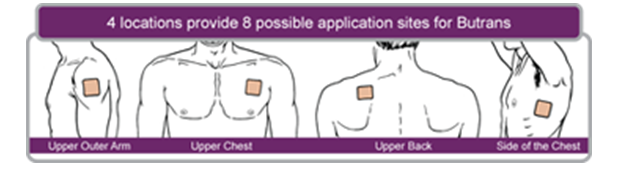 www.hey.nhs.ukpatch buprenorphine transdermal sites apply site pain skin should if nhs hair patient hairless trust applied relatively
Transdermal To Buccal Buprenorphine Transition
 www.clinicalpainadvisor.compatch buprenorphine buccal microneedle transdermal safety
Transdermal Buprenorphine (Butrans TM ) | Download Scientific Diagram
 www.researchgate.netbuprenorphine transdermal butrans
Butrans® (buprenorphine) Transdermal System CIII—Application Site Tracker
 butrans.comapplication site butrans patch tracker choose buprenorphine
Bunov 20 Microgram/H Transdermal Patch - Leaflet
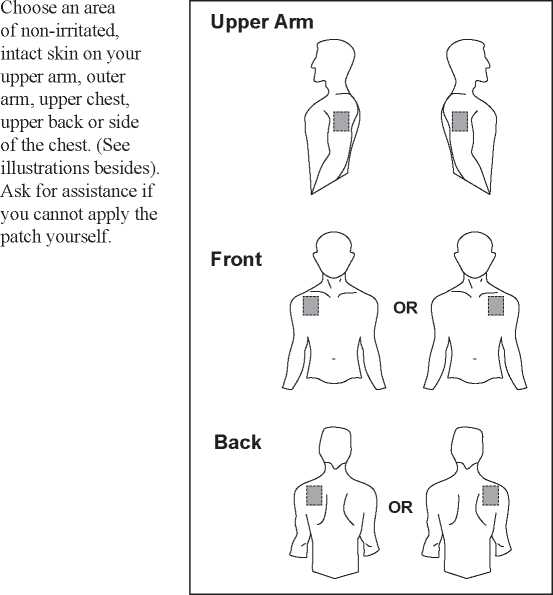 imedi.co.uktransdermal microgram hairless applying relatively
Butrans® (buprenorphine) transdermal system ciii—application site tracker. Bunov 20 microgram/h transdermal patch. Transdermal buprenorphine (butrans tm )